
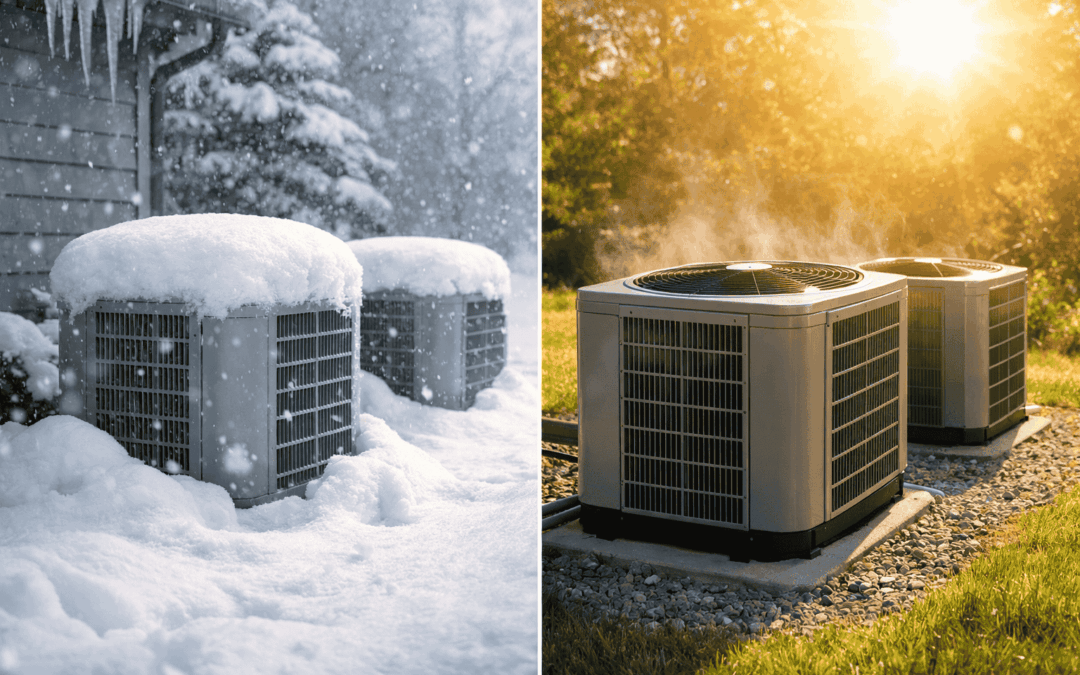
Your furnace faces a test that would break equipment in Florida.
Minnesota throws everything at HVAC systems. Temperature swings from -60°F to 115°F create the third-largest temperature range among non-mountainous U.S. states. Your equipment handles this daily torture while homeowners in milder climates never face such extremes.
Most maintenance advice ignores this reality. Generic recommendations miss the unique stressors that Minnesota’s climate creates.
You need region-specific strategies that address what actually breaks first in your climate.
The Morning Heat, Afternoon Cooling Cycle
Minnesota mornings can demand heating while afternoons require cooling. This daily flip-flop puts massive stress on your system’s components.
Your HVAC system switches between heating and cooling modes more frequently than equipment in stable climates. Each transition creates wear patterns that accelerate component failure.
Equipment manufacturers test their systems for these extremes. But testing conditions differ from the relentless daily grind your system endures through Minnesota’s unpredictable weather patterns.
The solution starts with understanding what fails first.
Air Filters: The Silent System Killer
Dirty air filters cause more HVAC failures in Minnesota than any other single factor.
During cooling season, restricted airflow across coil components turns your air conditioner into an ice cube. The system literally freezes solid and stops working.
In heating season, blocked airflow across the heat exchanger causes dangerous overheating. Your furnace automatically shuts down to prevent damage or fire hazards.
Minnesota’s extreme temperature demands mean your system works harder than equipment in moderate climates. Dirty filters compound this stress exponentially.
Check your filter monthly during peak heating and cooling seasons. Replace it immediately if you see visible dirt buildup or restricted airflow.
The Frozen Exhaust Trap
Minnesota winters create a maintenance challenge that warmer climates never face: frozen exhaust vents.
PVC exhaust pipes extending through your exterior walls or roof collect moisture from your furnace’s combustion process. When this moisture hits Minnesota’s sub-zero temperatures and northwest winter winds, it freezes solid.
A completely blocked exhaust pipe triggers your furnace’s pressure switch safety system. Your heating shuts down immediately.
You won’t get warning signs. The system simply stops working when the blockage becomes complete.
Visual inspection becomes your only prevention method. Look for ice buildup around exhaust vents during cold snaps. Use tools to carefully remove ice formations before they completely block the pipe.
Roof-mounted vents present special challenges. Never climb on icy roofs for routine inspections. Only attempt roof access when you know a blockage exists and have proper safety equipment.
In severe cases, pouring hot water down blocked roof vents can clear ice formations. This should be your last resort when professional help isn’t immediately available.
The Emergency Service Reality
When your furnace fails during a Minnesota cold snap, you’re not the only one calling for help.
HVAC companies receive dozens of emergency calls during severe weather events. Getting same-day service becomes impossible when temperatures plummet and multiple systems fail simultaneously.
You need immediate backup plans that keep your home safe while waiting for professional repairs.
Electric space heaters provide temporary warmth but create serious hazards. They tip over easily, pose fire risks around children, and overload electrical circuits. Multiple space heaters can trip breakers and leave entire areas of your home without power.
Gas fireplaces offer safer temporary heating for central areas of your home. Turn them up to maximum output to maintain livable temperatures in essential rooms.
Professional temporary electric furnaces installed in living areas provide whole-house heating during extended repair delays. Many HVAC companies offer this emergency service when permanent repairs require parts or extended troubleshooting.
Summer’s Hidden Challenge: Cottonwood Season
Minnesota summers bring a maintenance challenge that coastal states never experience: cottonwood seed infiltration.
Cottonwood seeds typically stop falling around July 4th, making this the ideal time for professional HVAC maintenance. The seeds clog outdoor air conditioning coils and reduce system efficiency dramatically.
Blocked coils force your air conditioner to work harder while providing less cooling. Systems battling cottonwood blockage consume 10-30% more electricity depending on the severity of buildup.
Cleaning outdoor coils requires specific techniques that vary by equipment type. Most systems require removing screws and lifting the top fan assembly to access coil surfaces from inside the unit.
Spray from inside the unit outward to avoid pushing debris deeper into coil fins. Use garden hose pressure rather than high-pressure washers that can damage delicate fin structures.
Homes in areas with heavy cottonwood tree populations may need mid-season professional cleaning beyond standard annual maintenance schedules.
The Sizing Trap That Shortens System Life
Modern HVAC equipment operates more efficiently than older systems, allowing for smaller capacity installations in most homes.
Many homeowners make the mistake of replacing old equipment with identical capacity systems without considering efficiency improvements. This approach often results in oversized equipment that cycles on and off too frequently.
Proper sizing requires load calculations that factor in your home’s square footage, insulation values, window types, roof characteristics, and dozens of other variables specific to your property.
Undersized systems in Minnesota’s extreme temperatures run constantly and wear out prematurely from excessive cycling. Oversized systems in cooling season run short cycles that prevent proper humidity removal from indoor air.
Correct sizing ensures long run times that allow dehumidification processes to work effectively while minimizing wear from frequent starts and stops.
Professional Maintenance as Insurance Policy
Professional HVAC inspections every couple of years provide peace of mind that your system will survive Minnesota’s seasonal extremes.
Technicians perform comprehensive checklists designed to identify potential failures before they leave you without heating or cooling. These inspections focus on components most likely to fail during peak demand periods.
Minnesota-specific maintenance includes checking exhaust vent positioning relative to prevailing wind patterns, inspecting for ice damage from previous winters, and ensuring adequate airflow capacity for extreme temperature operation.
The cost of preventive maintenance represents a fraction of emergency repair expenses during peak heating or cooling seasons. Emergency service calls during extreme weather often cost three to four times normal repair rates.
Professional maintenance also extends equipment lifespan by addressing minor issues before they cascade into major component failures. Systems receiving regular professional attention typically operate 10-15% more efficiently than neglected equipment.
Your Minnesota HVAC Survival Checklist
Monthly filter checks during peak seasons prevent the most common system failures. Replace filters immediately when airflow becomes restricted.
Visual exhaust vent inspections during cold weather catch ice formations before they trigger complete system shutdowns.
Post-cottonwood season coil cleaning maintains cooling efficiency and prevents mid-summer breakdowns when repair services are overwhelmed.
Professional load calculations for system replacements ensure proper sizing that maximizes equipment lifespan while maintaining comfort during temperature extremes.
Biennial professional inspections identify potential problems before they become emergency repairs during the worst possible weather conditions.
Emergency backup heating plans keep your family safe when primary systems fail during severe cold snaps and professional help is delayed.
Minnesota’s climate demands more from your HVAC system than equipment in moderate climates faces. Your maintenance approach must account for this reality.
The homeowners who avoid emergency service calls during blizzards and heat waves follow these region-specific practices religiously. They understand that Minnesota doesn’t forgive HVAC neglect.
Your system can handle the extremes it was designed for. But only if you give it the Minnesota-specific care it requires to survive your climate’s unique challenges.